
South Africa Weather Alert – South Africa is bracing for a challenging weekend as meteorologists have issued a severe weather alert, warning residents of heavy rain and potential thunderstorms across several regions. Authorities are urging citizens to take precautions, especially in flood-prone areas and along low-lying riverbanks. The approaching cold front is expected to bring a significant drop in temperatures, accompanied by strong winds that may cause disruptions to transport and outdoor activities. Weather experts highlight that urban areas could face localized flooding due to heavy downpours, while rural regions might experience road closures and power outages. Residents are advised to monitor local weather updates closely and avoid unnecessary travel during peak storm periods. Schools, businesses, and transport authorities are preparing contingency measures to ensure safety. With this forecast, the government and disaster management agencies are coordinating to minimize potential damage, while citizens are urged to stay alert and follow safety instructions. Overall, this weekend could be one of the most intense weather events in recent months, requiring vigilance and preparedness from everyone.
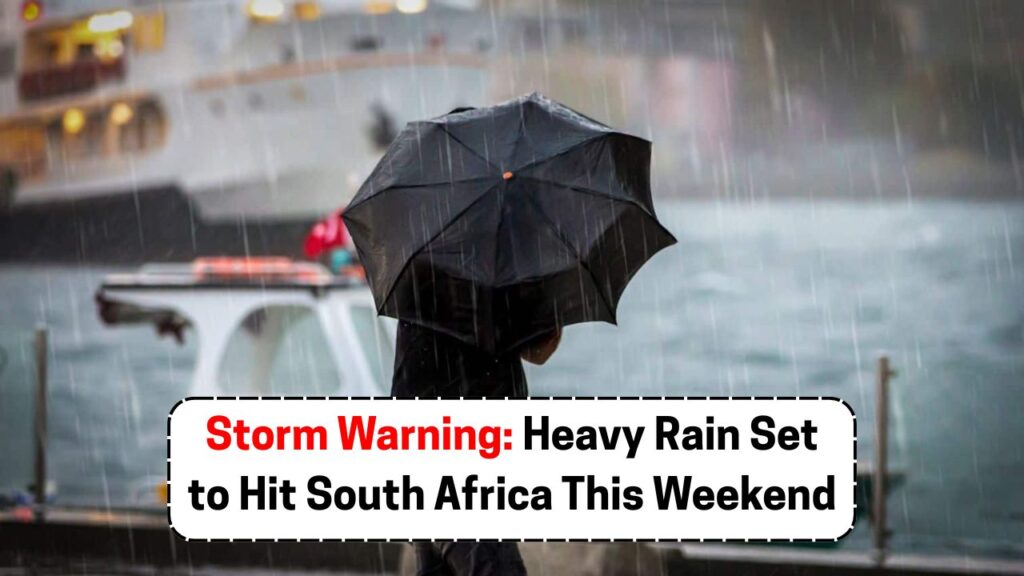
Expected Rainfall Patterns Across Provinces
Meteorological reports indicate that the heavy rain will not be uniform, with some provinces expected to bear the brunt of the downpours. Western Cape, KwaZulu-Natal, and parts of Gauteng are predicted to receive the most rainfall, potentially exceeding 50mm in a short period. This volume of rain increases the likelihood of flash floods, especially in areas with poor drainage systems. Eastern Cape and Limpopo may experience scattered showers and thunderstorms, with sporadic heavy rainfall that could cause temporary disruptions to daily life. Rainfall intensity is likely to vary throughout the day, with afternoon and evening storms being the most severe. Authorities advise residents to ensure that drainage systems are cleared, vehicles are parked safely, and outdoor items are secured to prevent damage. Farmers and agricultural workers are particularly warned as crops and livestock could be affected by both heavy rain and strong winds, prompting them to implement protective measures. Continuous monitoring of weather alerts is crucial for safety.
Storm Warnings and Wind Alerts
Alongside heavy rainfall, strong storms are anticipated, accompanied by gusty winds that may reach speeds of 60–80 km/h in certain regions. These conditions can lead to fallen trees, damaged power lines, and hazardous driving situations, especially on highways and bridges. Coastal areas are particularly vulnerable, with storm surges potentially affecting low-lying settlements and port activities. Residents are advised to secure loose objects around their homes, avoid outdoor recreational activities, and limit travel during the peak storm hours. Local emergency services are on high alert, ready to respond to any incidents caused by the severe weather. Additionally, air travel may experience delays, and maritime operations could be temporarily restricted. Schools and businesses in high-risk areas are advised to consider flexible schedules or temporary closures to ensure safety. The combination of heavy rain and strong winds presents a challenging scenario that requires vigilance and proactive safety measures.

Safety Precautions for Residents
In light of the expected heavy rain and storms, residents are urged to take practical safety precautions to protect themselves and their property. These include ensuring that all windows and doors are securely closed, checking that drainage systems are unclogged, and keeping emergency supplies such as flashlights, batteries, and first-aid kits ready. Drivers should avoid flooded roads and maintain safe distances from other vehicles, as visibility and road conditions can deteriorate rapidly. People living near rivers or low-lying areas are particularly at risk and may need to relocate temporarily if advised by authorities. Emergency services recommend keeping mobile phones fully charged and staying informed via weather apps, radio, or TV updates. Pet owners should bring animals indoors, and loose objects in yards should be tied down or moved to prevent accidents. Remaining indoors during peak storm hours is strongly advised, as falling debris, lightning, and sudden flooding pose significant hazards.
Preparing for Floods and Disruptions
Flood preparedness is critical this weekend, as heavy rainfall may cause rivers and streams to overflow, leading to potential evacuations in vulnerable areas. Residents are encouraged to identify safe routes and shelter locations beforehand. Communities should work together to assist the elderly, disabled, and those with limited mobility to ensure everyone remains safe. Temporary power outages are possible, so essential devices should be charged, and backup lighting sources should be prepared. Local authorities have activated disaster management teams to monitor water levels, respond to emergencies, and provide timely updates to the public. Businesses and schools should have contingency plans to manage disruptions effectively. By staying vigilant, following official guidance, and taking proactive measures, South Africans can mitigate the risks posed by this severe weather event and ensure the safety of themselves and their communities.