
SASSA SRD Grant Appeals – If your SRD R350 application was unfairly declined or suddenly stopped, you can still fight for it using the 2025 appeals process. An appeal lets you challenge the reason SASSA recorded—like “alternative income source,” UIF, NSFAS, age, or identity mismatch—by submitting updated information and supporting proof. Start by checking the decline reason for each affected month on the official SRD status page, then prepare evidence that directly addresses that reason, such as recent bank statements, a UIF termination letter, or corrected personal details. You’ll need your South African ID number and the cellphone used on your application to log in securely. Appeals are free, done online, and must be filed within the appeal window shown on your decision page. Keep your banking details consistent and accurate; wrong or inactive accounts cause long delays even after approval. If your appeal succeeds, SASSA typically releases the outstanding R350 for approved months, either in a single batch or staggered payments.
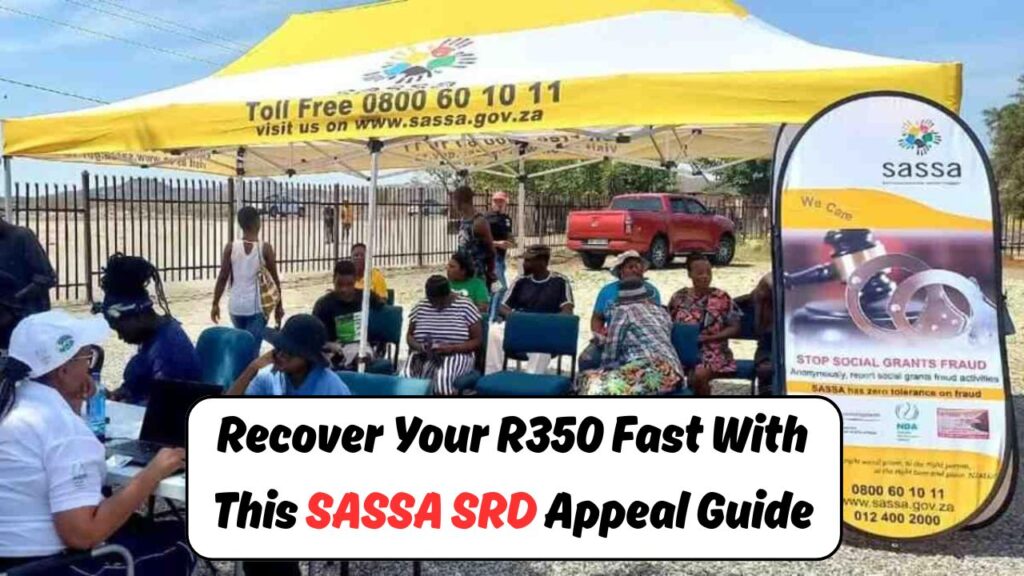
Step-by-Step: How the SRD Appeal Works in 2025
Begin by reviewing your status for each month and noting the exact decline reason. Next, fix your SRD profile details first—update your surname/spelling, address, and especially banking information if anything changed. Gather proof that counters the reason given: clean three-month bank statements to show no sustained income, a UIF de-registration or retrenchment letter, or documents confirming you are not receiving NSFAS or other social grants. Log in with your ID and cellphone, select the month, choose the decline reason, and submit your appeal with a short, factual motivation. Upload clear scans or photos (PDF/JPG) of your evidence. Submit appeals separately for each declined month. After submission, check your status weekly; decisions are communicated by SMS and on the portal. If approved, watch for a “payday” update linked to your chosen bank account or cash-send option. Processing times vary, so avoid changing phone numbers or bank details mid-appeal unless absolutely necessary.
Common Decline Reasons—and How To Fix Each One
“Alternative income source identified” often triggers when small deposits appear regularly in your account. Explain and prove they are one-off transfers or repayments, not income—attach statements with annotations. “UIF registered” happens if old employment records linger; provide a termination letter, UI-19, or proof of payout completion. “NSFAS recipient” requires proof you are not funded, such as a rejection letter or closure confirmation. “Age outside range” or “identity mismatch” typically stems from data entry errors—update your details to match your ID and re-submit supporting documents. “Other social grant received” needs evidence that you are not drawing another grant, or a closure letter if one ended. “Bank verification failed” is solved by using an active personal account in your name and re-verifying. For “insufficient KYC,” upload a certified ID copy and a recent proof of address. Always write a short, factual motivation that directly addresses the specific reason cited for that month.

Documents, Deadlines, and What To Expect After Approval
Prepare clean, readable documents before you appeal: certified ID copy, three months of bank statements, proof of unemployment or UIF cessation, NSFAS non-funding proof (if relevant), and any letters explaining once-off deposits. Name files clearly (e.g., “ID.pdf”, “BankStatements_May-Jul.pdf”). Submit within the timeframe shown on your decision page—commonly within 30–90 days of the decline notice. Track your appeal weekly; if you switch numbers, update it on the portal and keep your SIM active to receive OTPs and SMS results. Once approved, SASSA schedules payment for each approved month. You may receive backdated R350s either as a combined payout or over several pay cycles, depending on verification queues and banking cut-offs. If a “payment processed” status appears but no funds arrive after a few working days, re-check bank details, ensure the account is active, and contact support with your reference number and proof of status.

Pro Tips To Avoid Future R350 Delays or Declines
Keep one active bank account in your own name and avoid frequent bank-detail changes. Limit cash deposits and ask friends or family to use clear references if they must transfer money to you, so small support amounts are not misread as income. Log in monthly to confirm your details, especially after moving, switching numbers, or ending studies or employment. Save every official letter—UIF termination, NSFAS status, previous employer confirmations—so you can re-upload quickly if a new verification is triggered. When writing motivations, be brief, factual, and month-specific; generic explanations are less effective. Upload documents that directly counter the exact decline reason and ensure they show the relevant dates. Track status weekly and screenshot important updates for your records. Finally, if you choose cash-send, store your voucher and SMS securely; if you choose bank payments, don’t close or freeze the account until all outstanding months are fully paid.