Tax-Free SASSA Grants – South Africans across the country are increasingly voicing their demand for SASSA grants to be made tax-free, highlighting the financial strain that many beneficiaries already face. For millions of citizens, grants such as the Old Age Pension, Child Support Grant, and SRD payments represent their main or only source of income. When even a portion of these limited amounts is deducted for taxes or administrative costs, households are left struggling to cover essentials like food, electricity, transport, and healthcare. Beneficiaries argue that the very purpose of social assistance is defeated if grants are treated as taxable income. Advocacy groups and civil society organizations have also joined in the call, noting that the cost of living in South Africa has risen sharply, with food prices, fuel, and housing expenses hitting record highs. Making SASSA grants fully tax-free could provide much-needed relief to vulnerable families and help reduce poverty levels. The question now is whether government authorities will respond to this growing demand.
Why Beneficiaries Want Tax-Free SASSA Grants
The push for tax-free SASSA grants is rooted in the daily struggles faced by low-income households. Many beneficiaries point out that the value of grants has not kept pace with inflation, and deductions only worsen their financial situation. For example, pensioners receiving the R2,315 Old Age Grant often find themselves unable to stretch the amount to cover medicine, groceries, and utilities for an entire month. Similarly, families relying on the R560 Child Support Grant argue that every cent counts, and taxation undermines the grant’s purpose of supporting children’s basic needs. With unemployment remaining high, these grants serve as lifelines, and imposing taxes effectively reduces the government’s social protection efforts. Campaigners stress that grants should be safeguarded and fully protected from any deductions, ensuring that vulnerable groups get the maximum benefit of the money allocated to them.
Government’s Position and Possible Responses
The government has so far maintained a cautious stance, balancing fiscal pressures with social demands. Authorities argue that South Africa faces budget constraints and a growing demand for welfare spending. However, pressure is mounting as public campaigns, petitions, and protests gain momentum. Some policymakers have suggested that exempting grants from tax could be possible if alternative revenue sources are identified, such as improved tax compliance among corporations or wealthier citizens. Others believe the issue could be addressed in upcoming budget announcements, where new social support measures may be revealed. If government leaders decide to act, it could significantly boost the credibility of SASSA and restore trust among grant beneficiaries. But delays or rejection of the demand may lead to further dissatisfaction and heightened public pressure on decision-makers.
The Role of Civil Society and Activists
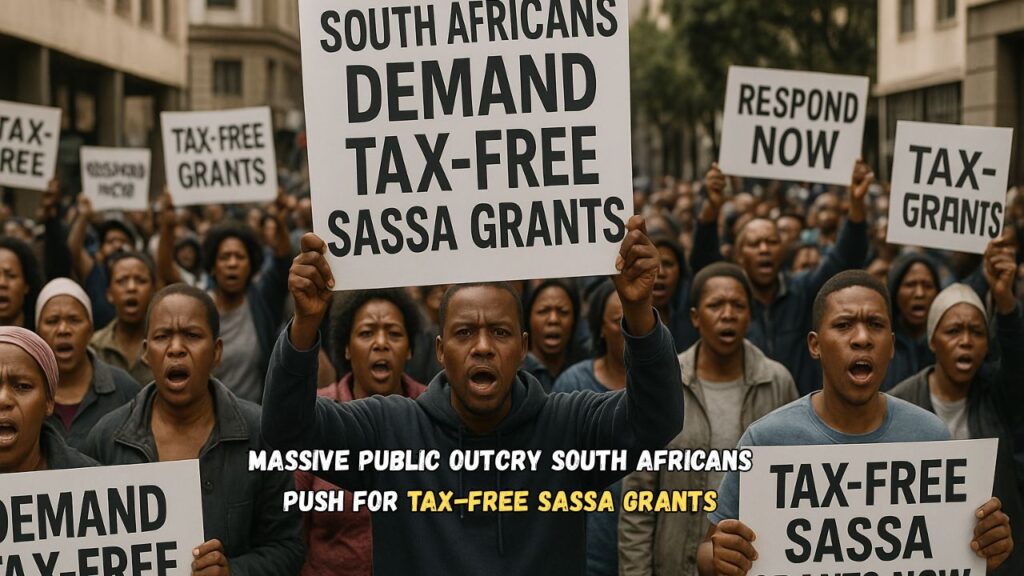
Civil society organizations have played a central role in amplifying the voices of grant recipients. Groups working in poor communities are collecting testimonies, publishing reports, and organizing demonstrations to highlight how taxation eats into already small grants. They argue that South Africa’s social safety net cannot be effective if the very people it is meant to help are left worse off. Activists have also drawn attention to international practices, where many countries treat welfare grants as fully tax-exempt. By pushing this narrative, campaigners hope to persuade authorities to align South Africa’s policies with global standards. Their efforts are not only about financial relief but also about dignity—ensuring that recipients are not penalized for depending on state support in times of need.
What Lies Ahead for Beneficiaries
The future of tax-free SASSA grants depends largely on political will and fiscal planning. If authorities decide to move forward, it could mean a direct improvement in the lives of millions of citizens who rely on these payments to survive. A tax-free status would give households slightly more breathing room in managing their monthly expenses, potentially reducing hunger and financial stress. On the other hand, if the call for tax-free grants is ignored, discontent may grow, leading to stronger public campaigns and possibly political consequences. As the debate intensifies, one thing remains clear: for many South Africans, this issue is not just about numbers on paper—it is about survival, dignity, and fairness in the face of economic hardship.
How might tax-free SASSA grants impact South Africa's economy?
It could alleviate financial burdens for vulnerable populations.
What are the implications of tax-free SASSA grants on government revenue?
It could reduce revenue and impact budget allocations.
How are South Africans advocating for tax-free SASSA grants?
Through petitions, protests, and engagement with government authorities.